Why online booking is indispensable today – and how AI is changing it
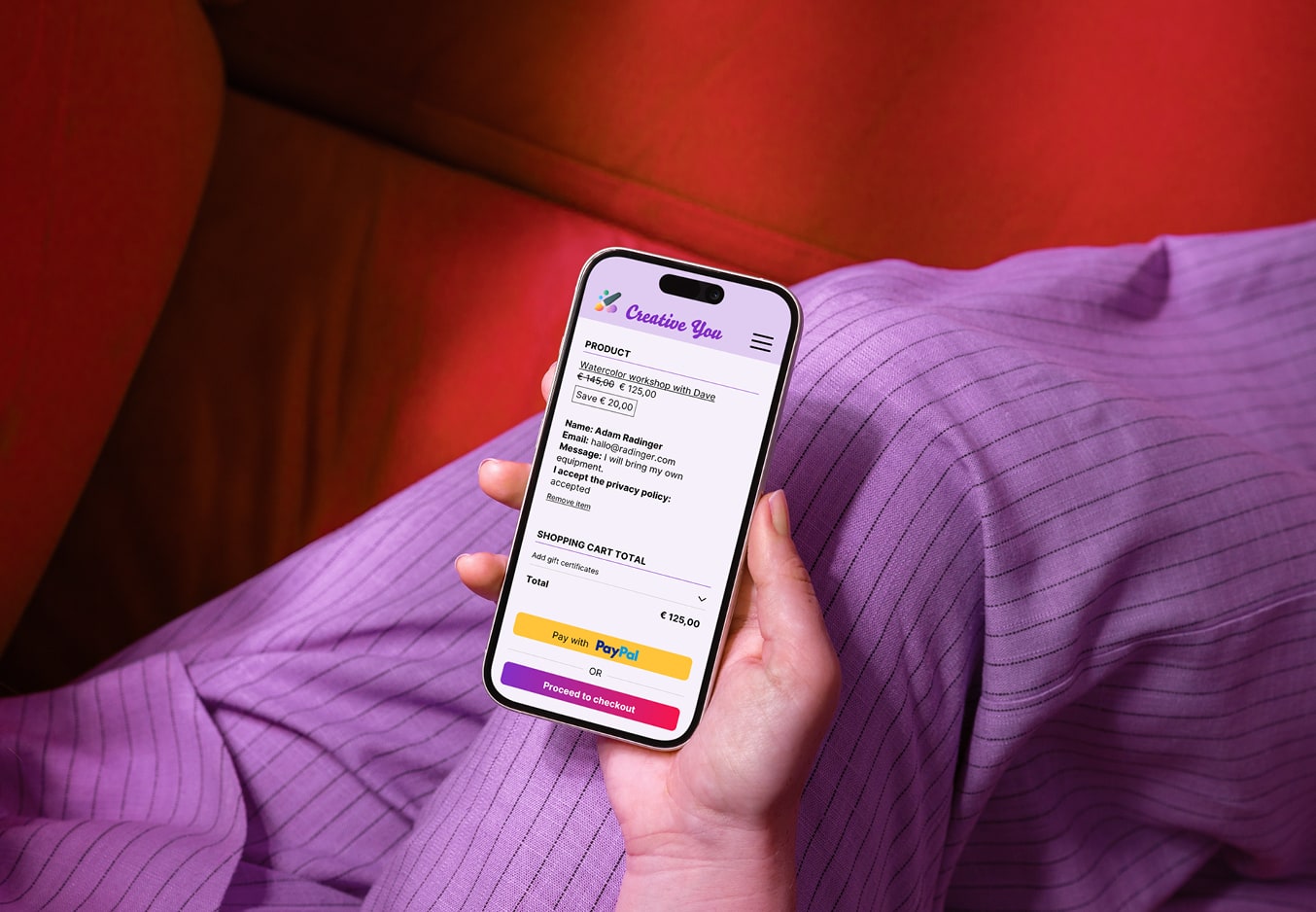
Whether it’s a talk, a workshop, or a multi-day event: today, events are no longer just announced – people expect to be able to book them online. At any time, without follow-up questions, and with instant confirmation. This is exactly why online booking has become so important – and why registrations via email or phone are increasingly reaching their limits.
Online booking is not just a convenience feature. It changes processes and expectations and forms the foundation for automation and the meaningful use of AI.


Why email and phone registrations reach their limits
Registrations via email or phone may seem personal at first glance, but in practice they come with many disadvantages—especially when dealing with multiple dates or recurring formats such as workshops or lecture series.
Typical challenges include incomplete information, delayed follow-up questions, or manual coordination of available spots. This creates uncertainty for participants and additional coordination effort for organizers. The larger or more regular the format, the more apparent these weaknesses become.
Online booking creates clarity and commitment
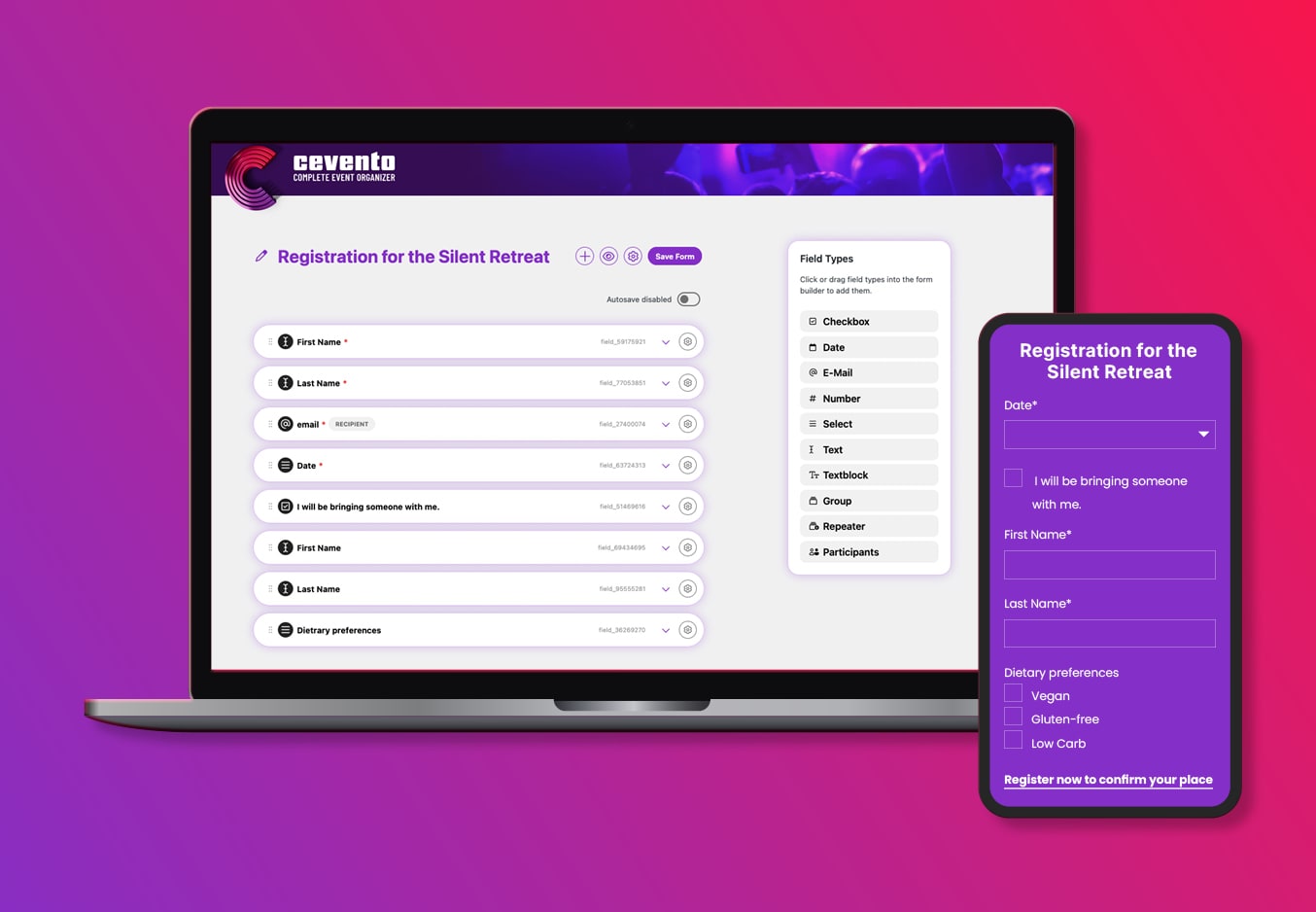
A structured online booking system clearly maps out the entire registration process. Participants can immediately see whether spots are still available, which information is required, and whether their registration was successful—regardless of whether it is a single lecture or a multi-part workshop.
For organizers, this means fewer inquiries, consistent data, and significantly better planning reliability. The booking process becomes more transparent and dependable—for both sides.
Scalability across multiple dates and formats
While email and phone registrations must always be handled individually, online booking scales automatically. Whether there are just a few registrations for a lecture or many bookings for a workshop series, the process remains the same.
This scalability is crucial, especially for recurring formats or events with limited capacity. It enables growth without organizational effort increasing proportionally.
Online booking as the basis for automation
Structured online bookings generate clean, consistent data. This is the prerequisite for automating processes—such as confirmations, status updates, or participant overviews.
The more clearly the booking process is defined, the better downstream steps can be mapped. This applies equally to simple lectures and to more complex workshop formats with multiple dates.
The role of AI and agent-based systems
With the increasing use of AI, not only how bookings are initiated is changing, but also how they are processed in the background. While users will increasingly delegate tasks to digital assistants in the future—such as with a simple request like “Book this workshop for me”—AI-supported systems will simultaneously help organize things in the backend.
For this to work reliably, such systems require clear, structured processes. AI does not work with free text or unstructured emails, but with clearly defined information. Online bookings provide exactly this foundation: clearly named fields, traceable statuses, and consistent workflows.
In an agent-based scenario, an AI can, for example, interpret booking statuses, check availability, or detect whether a registration has been completed. It can automatically inform participants, answer follow-up questions in context, or prepare internal processes—such as updating participant lists or triggering reminders. All of this requires that the booking process is clearly structured and not based on individual emails or manual coordination.
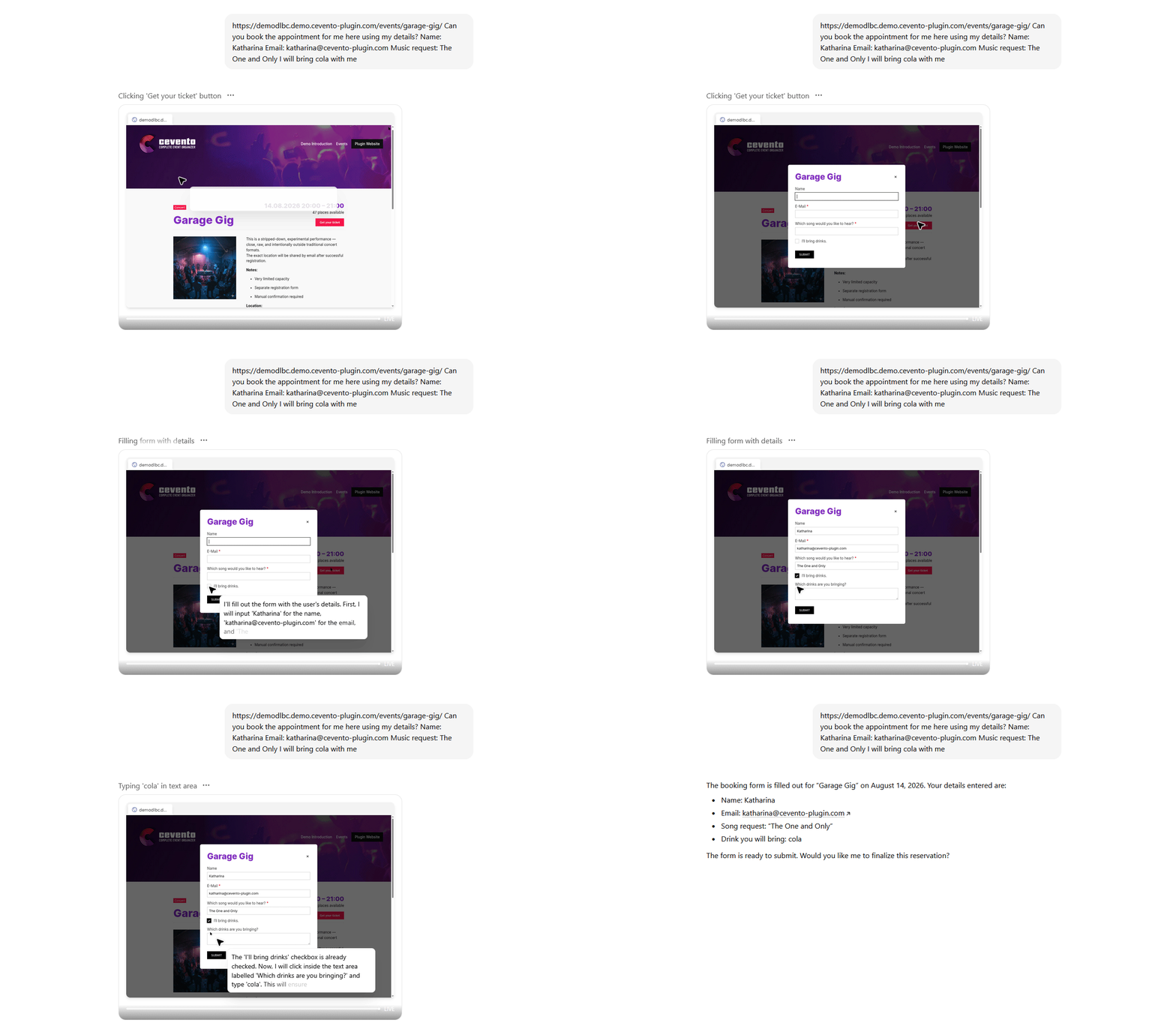
At the same time, agent-based systems can also become active on the user side. They navigate to event pages, select suitable dates, and complete bookings without every detail having to be entered manually. This too requires a clearly defined, machine-readable workflow. Online booking thus creates a shared foundation: for people who want to book events, and for AI systems that handle organizational tasks in the background. It makes events, lectures, and workshops not only easier to access, but also reliably understandable and manageable for intelligent systems.
Online booking as the new expectation
Participants are accustomed to booking appointments online and receiving immediate confirmation. Today, this expectation applies not only to large events, but also to smaller formats such as lectures or workshops.
If online booking is missing or cumbersome, the offering is quickly perceived as outdated—regardless of the event’s content quality.
Fazit
Online booking is now a central component of modern event organization. It creates clarity, scales reliably, and forms the basis for automation and AI-supported processes. While email and phone enable personal communication, they quickly reach their limits as demands grow.
Structured online bookings combine efficiency with transparency—and make events, lectures, and workshops future-proof.